

We’ve reached Sunday yet again! You made it. It’s the end of the week. Or the start of the week, depending on how you look at it.
My older son Sam turned 3 today. We had a grand ol’ time celebrating. His grandma flew in from out of town, and friends and family came together to celebrate.
A friend’s dad once told me he thought a kid’s 3rd birthday is the happiest day of their life. The idea is that they’re in the Goldilocks zone: old enough to appreciate it, young enough to still care. After watching my first child enjoy his 3rd birthday, I have to agree.
Now, on to what I found worth paying attention to this week.
1. Opus 4.8 Released
What happened
Anthropic released Opus 4.8, the successor to Claude Opus 4.7. I’ve been a fan of Claude models. Opus 4.7 was, in my experience, a disappointment. It wasn’t much of an improvement over Opus 4.6, if at all. Opus 4.8 feels like a clear improvement over Opus 4.7.
Why it held my attention
Here’s my initial take:

I like to do a personal experiment with every new model that gets released. I give it access to my entire Obsidian vault. It has daily journals, essays, reading notes, and podcast highlights. It’s a good representation of my thought process. I asked Opus 4.8 to search Obsidian, and tell me something about myself that I don’t already know.
What I’m carrying forward
This closing line struck me. It sent a chill down my spine, it was so on the mark. I felt understood. Claude is great for this sort of exploration, in a way that GPT isn’t. Claude feels more human where GPT feels more machine-like.

2. Claude Code Dynamic Workflows
What happened
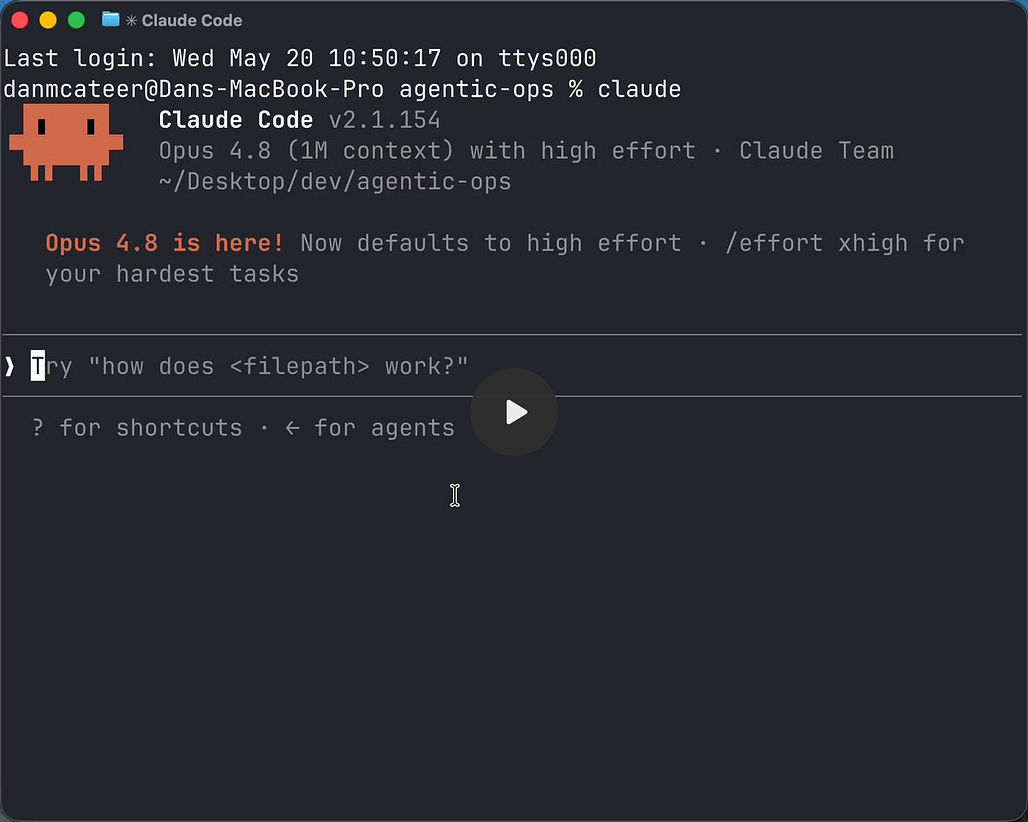

Claude Code Dynamic Workflows are the killer feature that came with the Opus 4.8 release.
Why it held my attention
It’s three things:
A Claude generated orchestration script
A swarm of subagents
A goal loop that checks if the work is done
The most common comment on that X post is some version of “It burns tokens so fast.” It’s true. It does burn more tokens than a single agent thread. In my opinion, the question isn’t “how many tokens does it burn?” but “what do I get in return for those tokens?”
What I’m carrying forward
You can see both Anthropic and OpenAI moving in the direction of autonomous agents. It looks to me like those two labs want you to be able to give your agent a clear goal and have it autonomously orchestrate the infrastructure to achieve it.
3. Codex Dynamic Workflows
What happened
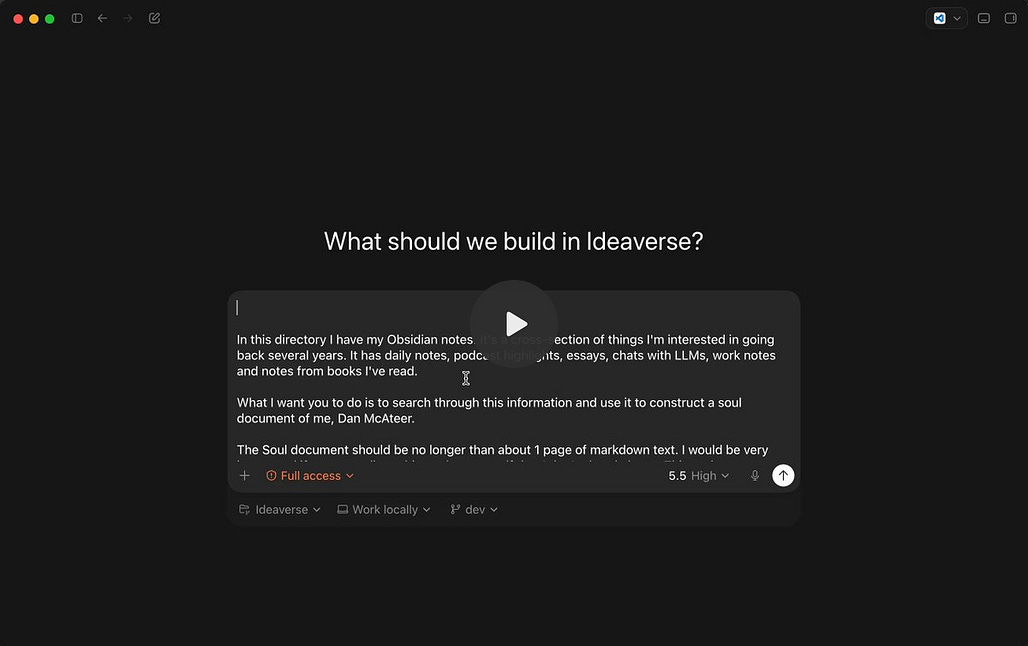
Because the Claude Code Dynamic Workflows are essentially an orchestration framework, I decided to create a skill that allows you to replicate them in Codex.
Why it held my attention
Claude Code is great, but I’ve been mainly Codex + GPT for probably the last 3 months. The efficiency of GPT + the delightful UX of Codex can’t be beat. I use Codex nearly all day, every day, and rarely come close to hitting my usage limits. I can’t say the same for Claude.
Because of that, I wanted to port this killer feature into Codex.
What I’m carrying forward
It’s a skill that instructs Codex to follow Claude’s Dynamic Workflows logic.
All that’s missing is a dedicated execution runtime.
It’s free and open source, and you can install it here: https://github.com/DannyMac180/skills